
Most of the food labels we print start the same way. A producer has a good product, a logo and a jar, and needs to know what else has to go on it. This is the short version of what US food labels generally carry, and the decisions that are easier to make before the artwork is finished.
We print labels; we do not give regulatory advice. The FDA governs most packaged food, and USDA regulates meat, poultry and many egg products. Confirm the rules for your product with the agency that covers it, or with a food labeling consultant, before you print.
The Five Things Most Packaged Food Labels Need
- A statement of identity: the common name of the food, on the front panel.
- Net quantity of contents, in both US customary and metric units, in the bottom third of the front panel.
- An ingredient list, in descending order by weight.
- An allergen declaration covering the major food allergens: milk, eggs, fish, crustacean shellfish, tree nuts, peanuts, wheat, soybeans and sesame.
- The name and address of the manufacturer, packer or distributor.
Nutrition Facts, and When You May Not Need It
Most packaged foods also need a Nutrition Facts panel. Some small businesses qualify for an exemption based on sales volume or employee count, and very small packages have their own rules. An exemption covers the nutrition panel only; the other required elements still apply.
Plan the Layout Around the Container
The front panel and the information panel both have to fit the container you actually use. A round jar wraps the label, so part of it is always out of view; a square jar gives you separate faces. Measure the container, or send us one, before design begins so the label size and shape are settled first.
Barcodes and Date Coding
If you sell through grocery or retail you will need a UPC barcode, and it needs a clear, flat spot where a scanner can read it. Many producers also leave an open area for a lot number or best-by date that is stamped or printed at packing.
Printing It So It Lasts
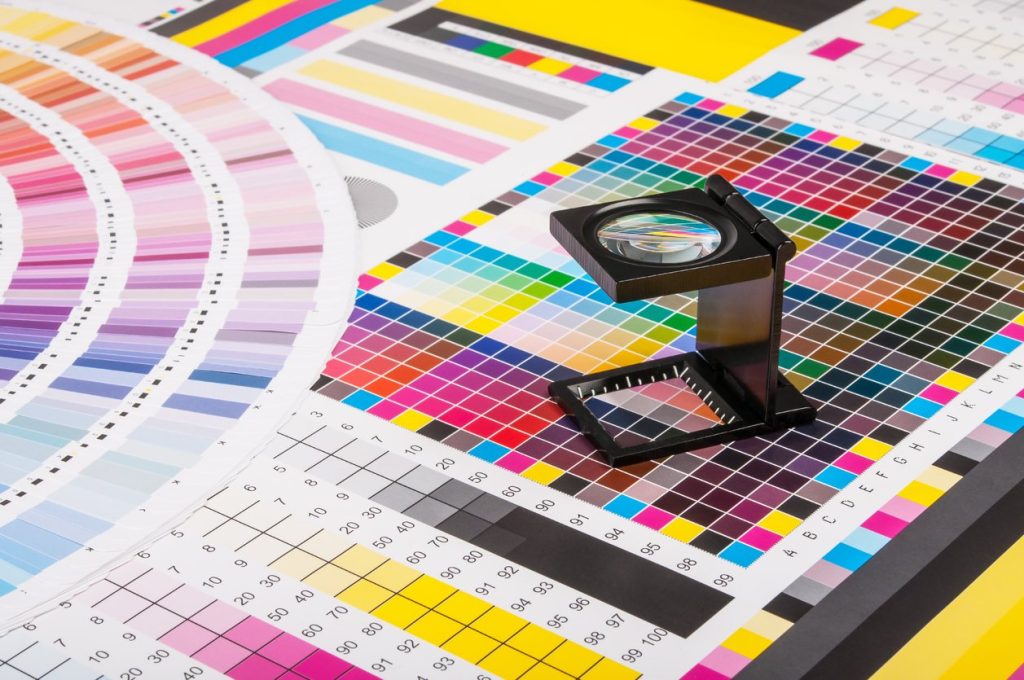
Food labels get handled, chilled and wiped down. How to choose label material and adhesive covers stocks for jars, cold and wet containers. Our custom label printing runs from short digital batches for a first run to longer flexographic runs once a product is selling, with color matched on every reorder.