Customers ask us which process their job should run on more than almost anything else. The honest answer is that it depends on the job, and on most jobs we make the call for you. It still helps to know why.
How Each Process Works
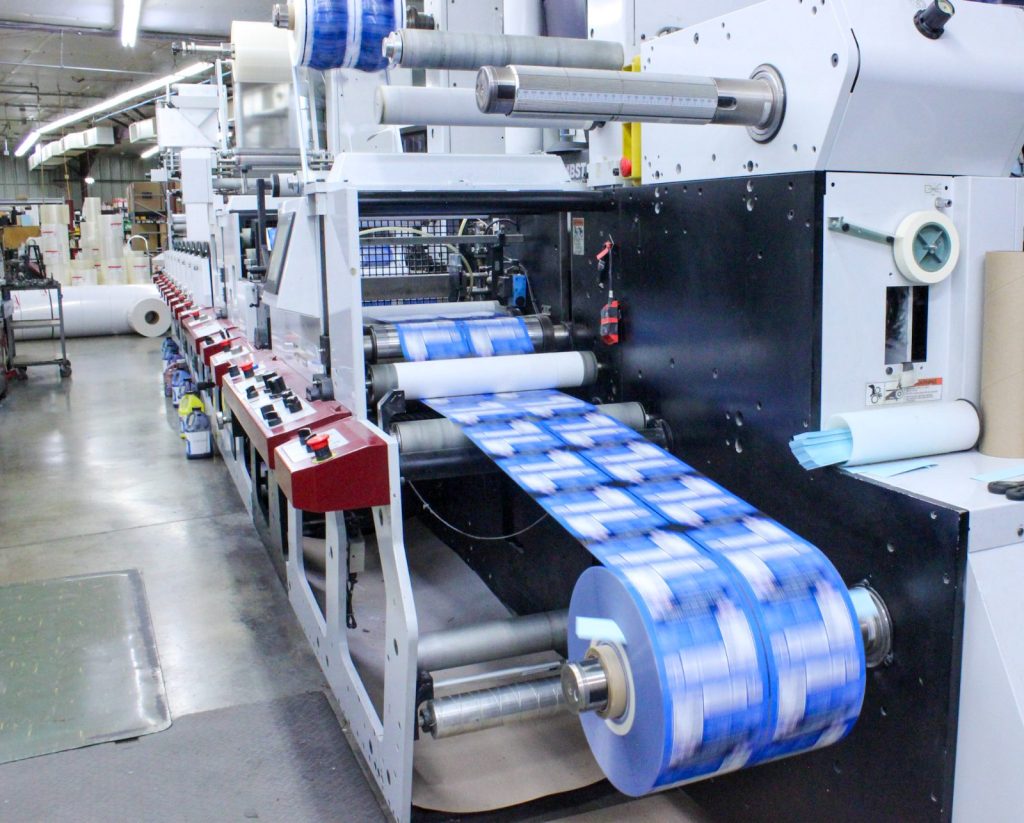
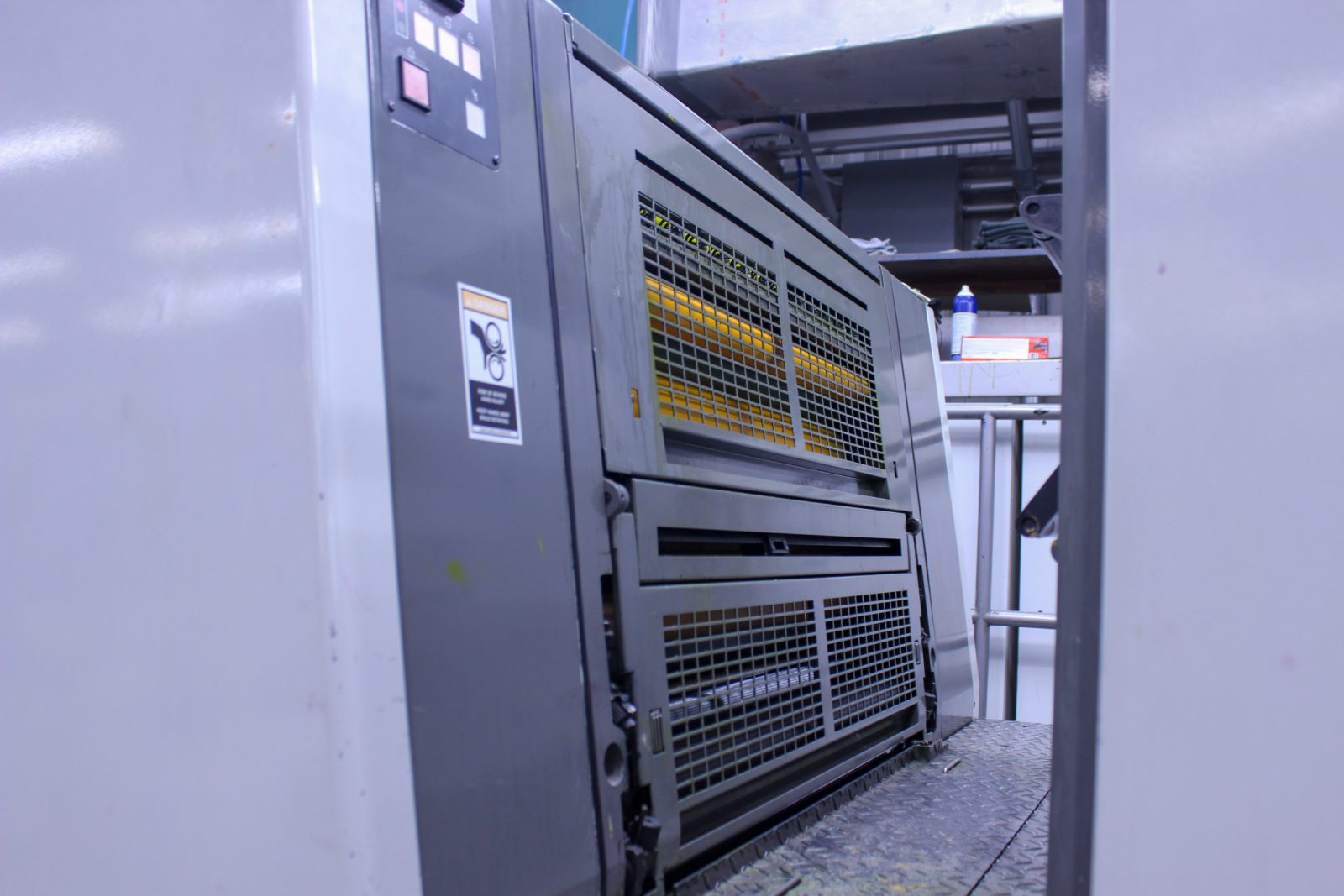
Offset printing transfers ink from metal plates to the sheet. Making plates and getting the press up to color takes setup time, but once it is running, each additional sheet costs very little.
Digital printing puts the image on the sheet directly, with no plates. There is almost no setup, and every sheet can be different.
When Digital Makes Sense
- Short runs, where offset setup would cost more than the printing.
- Pieces that change from copy to copy: names, addresses, versions by location.
- Tight deadlines, since there is no plate or makeready time.
- Proofs printed on the actual stock.
When Offset Makes Sense
- Longer runs, where the unit cost drops well below digital.
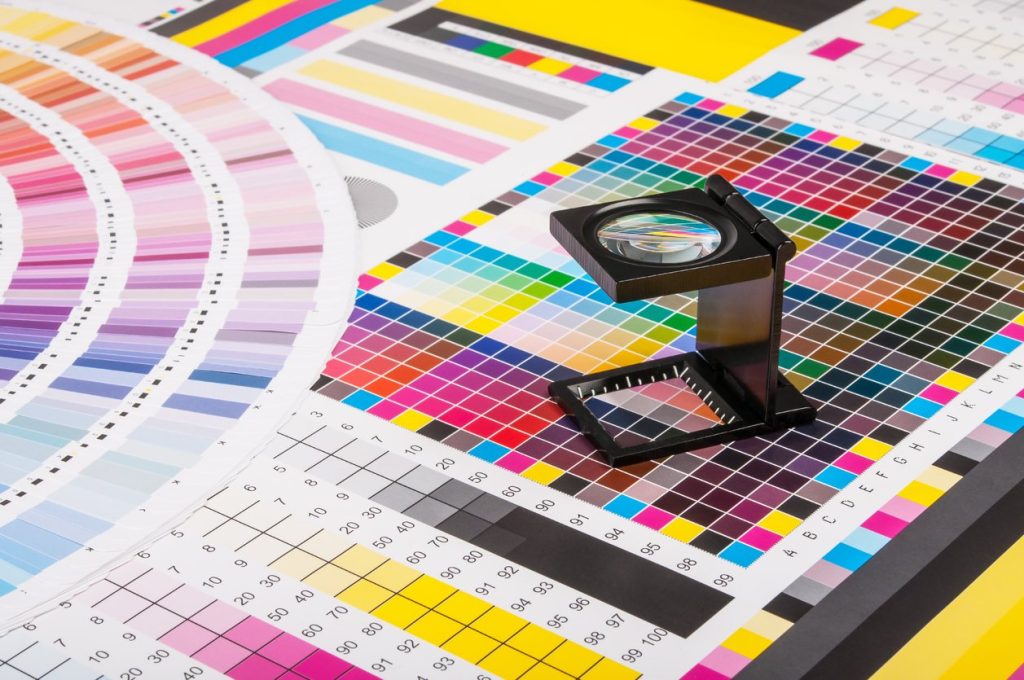
- Exact brand colors printed as Pantone spot inks.
- Larger sheet sizes and a wider range of stocks.
The Crossover Point
There is no single quantity where one process always wins. It moves with the size of the piece, the number of colors, the stock and the finishing. That is why we quote the job, not the process: tell us what you need and we price whichever makes sense at your quantity.
See our commercial printing services, or read what to include when you request a print quote to get an accurate price the first time.