A label that looks right on a proof can still fail on the shelf. It peels on a cold jar, wrinkles on a squeeze bottle or smears when it gets wet. Material and adhesive decide whether it holds, and both depend on where your product lives.
Paper or Film
Paper labels print beautifully and cost less, and they suit dry, shelf-stable products such as baked goods, candy and dry goods. Film labels, such as BOPP, resist moisture, oil and tearing, and belong on anything refrigerated, frozen, washed or squeezed: cheese, meat, sauces, beverages, personal care.
Match the Adhesive to the Surface and Temperature
- Permanent all-purpose adhesive: most dry, room-temperature containers.
- Cold-temperature or freezer adhesive: products that are labeled chilled or stored frozen.
- High-tack adhesive: curved, textured or hard-to-stick surfaces.
- Removable adhesive: labels meant to come off cleanly.
Application temperature matters as much as storage temperature. A label applied to a cold, damp container needs a different adhesive than one applied at room temperature and then chilled.
Finish and Protection
A gloss or matte laminate or varnish protects the print from scuffs and moisture and changes how the label feels. Foils and specialty finishes add shelf presence where the brand calls for it.
Test Before a Full Run
Send us a few of your containers. We can apply sample labels so you can put them through a real day: refrigerate them, handle them, wash them. It is the cheapest insurance in label printing.
Run Length Decides the Press
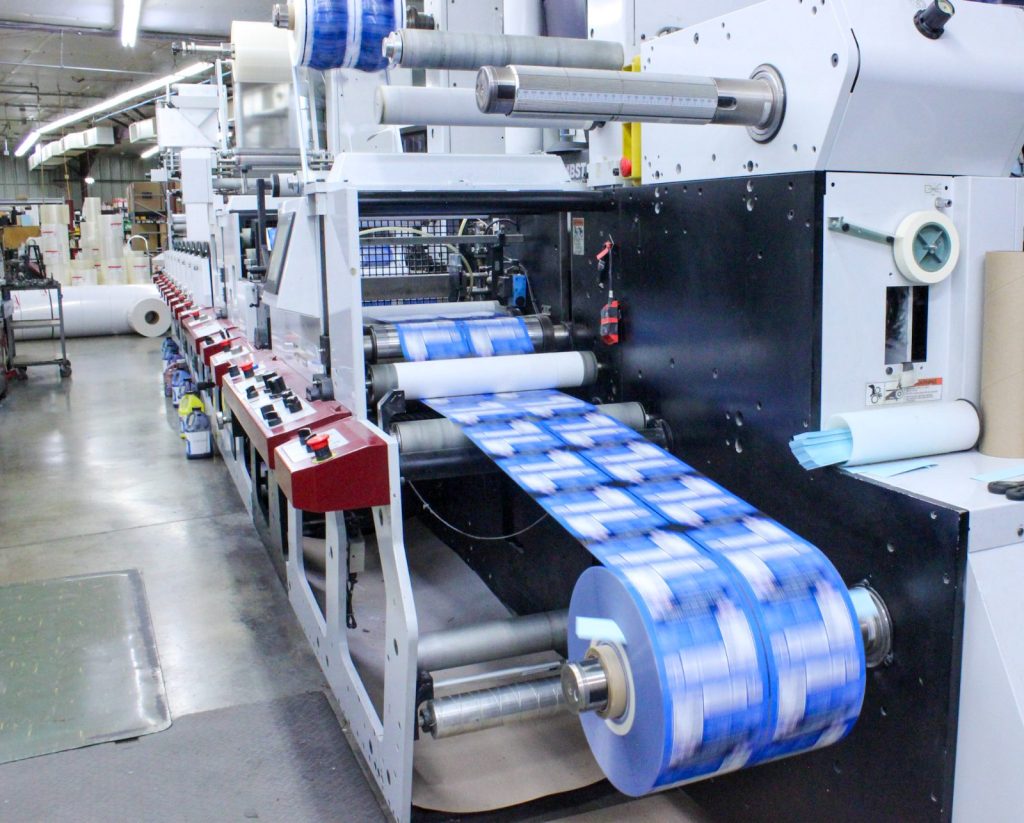
Digital presses handle short runs, test batches and multiple versions; flexographic presses carry longer runs at a lower unit cost. See our custom label printing, and what to include on a food product label if you are labeling food.